




Geoff’s Narration
The GIST
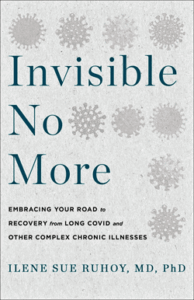
“Invisible No More” is Dr. Ruhoy’s first book.
This is the first in a series of blogs on treatment books or guides for complex chronic illnesses like ME/CFS, fibromyalgia, long COVID, etc.
Up first is Dr. Ilene Ruhoy’s 2025 “Invisible No More, Embracing Your Road to Recovery from Long Covid and Other Complex Chronic Illnesses”.
Dr. Ruhoy, MD, PhD, is probably best known to most as the co-creator, with Dr. Kaufman, of their “Unraveled: Understanding Complex Illness” YouTube series. With over 86 videos and counting, this series has explored many corners of these illnesses. As an integrative neurologist and MD, Dr. Ruhoy brings a new perspective to this illness.
They are both members of “MASTerminds, an online group of over 700 clinicians focused on the diagnosis and management of patients with chronic complex illnesses.
Dr. Ruhoy noted that she wrote the book around 2 years ago, if I remember correctly, before it was finally published, which means the book, in these fast-moving times, is already a bit behind the times.
There’s nothing in the book, for instance, on the GLP-1 agonist, which she and Dr. Kaufman are very excited about. There’s nothing on the stellate ganglion block, which she now offers in her clinic. Nor is there anything about IVIG, which she has also found helpful.
That part of medicine is not what this book is mostly about, though. While this book also examines plenty of cutting-edge treatments (peptides, stem cells, exosomes, HBOT, Vasper, Gyrotonics), much of it focuses on basic, mostly do-at-home approaches that she’s found helpful not only with her patients but in her own recovery from a very severe illness.
The book may be a bit controversial because of its partial concentration on very basic practices, but I think it fills a hole in ME/CFS literature. Here we have, after all, a board-certified neurologist with a sophisticated knowledge of many pharmaceuticals, and long experience with ME/CFS and similar diseases, who’s also advocating for a slow, kind of bottom-up approach to these illnesses – and who’s excited about the possibilities of regenerative medicine as well.
The GIST
-

“Invisible No More” is Dr. Ruhoy’s first book.
This is the first in a series of blogs on treatment books or guides for complex chronic illnesses like ME/CFS, fibromyalgia, long COVID, etc. The first is Dr. Ilene Ruhoy’s 2025 “Invisible No More, Embracing Your Road to Recovery from Long Covid and Other Complex Chronic Illnesses”.
- Dr. Ruhoy, MD, PHD is an “integrative neurologist” who combines pharmacological and alternative health approaches in her practice. The co-host of the Unraveled podcast, she has treated hundreds if not thousands of people with complex, chronic diseases.
- She knows what its like to have your symptoms dismissed. Despite the fact that she’s a practicing neurologist, multiple doctors, including one who didn’t want to promote her “hysteria,” refused to have an MRI done when she started having bizarre symptoms. It took a year, but ultimately, a large brain tumor was found that resulted in immediate surgery. That was about 12 years ago. She’s currently recovering from another brain surgery to pare back the ever-growing tumors. (See the blog for a video where she talks about her experience.)
- Dr. Ruhoy comes at these diseases from a different perspective than we often see. Damage to connective tissue by mast cells and other immune cells plays a major role in her conception of these diseases. Because these tissues, which are found throughout the body and include the blood vessels, hold everything in place, she believes that damage to them tweaks nerves, interrupts blood flows, disrupts communication channels, dumps junk into our blood, causes gut problems, etc.
- While the book has a large focus on basic practices, it also incorporates cutting-edge and emerging regenerative treatments.
- Please note that this is a long blog and that all the GIST can do is briefly mention the treatments.
- Dr. Ruhoy places a premium on finding ways to marshal the body’s resources in ways the body is best able to use. While she uses vitamins, for instance, she prefers getting them from food and using tinctures because they are absorbed better.
- The most important thing is to keep trying and keep a record of how your body responds to diets, supplements, drugs, and other treatments.
- Neuroinflammatory and mitochondrial repair protocols are presented in the blog. Protocols to treat dizziness, headache, etc. can also be found in the appendix of the book.
- I was struck by how much focus this curious and creative physician places on very basic practices. She highly recommends plant-based anti-inflammatory diets, juicing, intermittent fasting, short-term ketogenic diets.
- “Movement”, physical therapy, craniosacral therapy, myofascial release, and lymphatic massage can all help to bring the connective tissue back into place – thus reducing pain, improving blood, lymphatic, and spinal fluid flows, reducing inflammation, reducing toxins, etc.
- Deep breathing, straight-up oxygen tanks, hyperbaric oxygen, and the Vasper protocol can improve oxygen delivery to tissues.
- She provides sleep recommendations, ways to reduce stress, and then it was on regenerative medicine – the future, she believes, of medicine. Regenerative medicine seeks to build new, healthy tissues.
- While not all of these are readily available (some are), Dr. Ruhoy is excited about the role peptides, stem cells, exosomes, prolotherapy, platelet-rich plasma, plasmapheresis, red light therapy, and other emerging treatments can play.
- While Dr. Ruhoy believes that our physiology has been unalterably altered, she also believes that we “have a great chance of being very well”.
Support Health Rising and Keep the Information Flowing!
Health Rising is not a 501 c (3) non-profit
Integrative Neurologist
Dr. Ruhoy’s path speaks of an intellectual curiosity that has taken her to some surprising places. Her B.S. from Marymount is in biology, and she got her M.D. from the University of Pittsburg in 2000. Her PhD from the University of Nevada, though, is in Environmental Science and Policy (!).

An integrative neurologist, Dr. Ruhoy uses a variety of methods to treat these diseases.
Her neurology residency, completed in 2012 at the University of Washington, brought her back to medicine. (She is a board-certified neurologist.) Feeling there was more to medicine than dishing out drugs, she next did a two-year Fellowship training in Integrative Medicine — University of Arizona Program in Integrative Medicine under Dr. Weil, where she trained in herbal medicine, medical acupuncture, and the mind/body connection. Another fellowship in neuromuscular disorders at the University of Washington followed.
She’s also completed the Helms Medical Institute Acupuncture for Physicians certification program, has trained in mitochondrial medicine, and was the Medical Director of the Chiari EDS Center at Mount Sinai South Nassau, the Director of the Institute for Environmental Medicine, and an Assistant Professor at the Touro University School of Osteopathic Medicine in Las Vegas.
She’s often described as an “integrative neurologist” because of her interest in “thinking outside the box”, and her interest in incorporating approaches other than pharmaceuticals.
She’s now the Director of Neuroimmune and Connective Tissue Neurology at Atria, where she leads a concierge practice called Anthurium. She is currently on leave as she recovers from brain surgery to remove tumors.
Disbelief
The book starts off with a jaw-dropping story of how a practicing female neurologist got so sidelined by the medical profession that it took a year for her brain tumors to get diagnosed. One neurologist told her that, as a practicing neurologist, she was “overthinking” her symptoms. It was all due to stress. Another bluntly told her that he was “not going to feed into her hysteria” by ordering an MRI.
By this time, she was having really weird symptoms: falling, extreme irritation at small things, focal seizures, and hypersensitivity to sound.
Finally, a female internist signed off on getting an MRI, the results of which were so concerning that she was told to go to the ER immediately, where she was told she had a grapefruit-sized brain tumor. The next morning, there was no time to waste – an angiogram cauterized the artery leading to the tumor, and the next day she had a 7-hour surgery to remove the tumor.
Her cranium was cut from ear to ear, her skull was bolted to a metal brace, and she could not talk or chew. To make matters worse, she was not given strong pain medication for two days. (The pain was indescribable.)
Eight months later, she started practicing again; this time, with an ever-increasing focus on people with hard-to-understand illnesses. Dr. Ruhoy well knows, then, what it’s like to have your symptoms dismissed.
Rough Start
Her life story is similarly surprising and worth a short review. We see a bright, curious, and funny professional who’s on the top of her game on Unraveled, but it didn’t start out that way.
Her family, she writes, was “beyond dysfunctional”. Her father was an alcoholic, gambler, and womanizer who left his family when she was five. As a child, she feared birthday parties because she didn’t know if anyone would come.
Her mother’s parents were Holocaust survivors, and her mother was insecure. When her mother remarried, she had to move in with a father, who years later, didn’t bother to call her when she was diagnosed with a brain tumor. Her younger sister had mental health issues and passed away.
She said if someone had told her 12-year-old self that she would end up becoming a happily married doctor, she wouldn’t have believed it. It’s a reminder that few of us have it easy.
Step By Step
“Life is short.” Ilene Ruhoy
As her own illness has shown her, “life is short” and uncertain. This book, Dr. Ruhoy writes, is “full of practical, hands-on strategies, both large and small, that you can use to treat your illness with”. It is a “collection of steps” that “you can do on your own to start feeling better…It is not a road map to recovery because there is no road map…no pill, no miracle cure, no surgery is going to do it all”.
The “Director of Neuroimmune and Connective Tissue Neurology”
“The more I practice the more I realize that our structural and mechanical bodies may be well be directing our physiological health.” Invisible
Connective Tissues – Dr. Ruhoy’s title at Atria, “Director of Neuroimmune and Connective Tissue Neurology“, says it all when it comes to her approach.
You know we’re in a different world when Dr. Ruhoy’s “first category of dysfunction” is connective tissues – a subject I hadn’t even heard of 5 years ago. We’ll see that the emphasis on connective tissues undergirds much of her approach.
She has a strong focus on whether physical systems are working together properly. The connective tissues, nerves, blood vessels, muscles, etc., all need to be in the right locations to interact properly.
Connective tissues are particularly important because they provide the scaffolding for all of that. The most abundant tissue in the body, they hold every organ, bone, nerve fiber, and muscle in place. They line the gut and our blood vessels, protect the brain and spinal cord, tether our bones to our muscles, and hold our joints together. They’re also a place of oxygen and nutrient exchange.
If you’re going to have one of the most functionally disabling and complex diseases, they’re not a bad place to go to explain what’s happening. The spinal issues found – a recent development in these diseases – appear to be, in Dr. Ruhoy’s mind, simply the most extreme example of a process she believes is occurring on many levels in the body.
She thinks of connective tissue problems as the canary in the coal mine for these diseases. Not only are they a harbor for mast cells (second category of dysfunction), but degraded connective tissues cause the joints to subluxate and dislocate, resulting in (this caught my eye) diffuse pain of the joints, muscles, and nerves, venous compression, spinal issues of all sorts, including craniocervical instability, reduced blood and lymph flows. (Could inflamed connective tissues be causing the weird, almost indescribable symptoms that sometimes occur?)
Mast Cells – The second category of dysfunction – mast cells – also shows how much the world has changed, at least for some doctors, in the past 5 or 10 years. Who was talking about connective tissues and mast cells ten years ago? Now, twitchy mast cells are believed to contribute to pain, fatigue, bloating, itching, tingling, orthostatic intolerance, elevated heart rate, blood clots, and other symptoms in these diseases.
Autoreactivity – the third category of dysfunction – is in some ways a consequence of the first two. Pair mast cell hyperactivity with inflamed connective (and other) tissues, and you get a lot of cellular debris floating around that the immune system is just itching to get at. Since this is debris from our cells (instead of from pathogens), it’s easy for the immune system to get mixed up and end up attacking our cells.
Neuropathy – The fourth category, “large and small fiber neuropathy,” builds on the second. Hyperactive mast cells that attack the myelin covering of our larger nerves can cause numbness, tingling, and strange pain sensations. When they attack the small nerve fibers (small fiber neuropathy), they can produce electric shock pain, burning, stinging, numbness as well as fluid buildup and gut problems.
Autonomic Dysfunction – The last category, “autonomic dysfunction”, affects the body’s basic functions and can cause problems with blood flow, gut motility (constipation, diarrhea), standing (orthostatic intolerance), brain fog, difficulty breaking, pain, etc.
Looking at the five categories, one theme pops out – the need to reduce inflammation.
Treatments
“We are learning so much, and at such a fast pace, that we will soon know enough to better treat and guide individuals who suffer with all manner of previously undiagnosable ‘complicated’ illnesses.” from Invisible
Doing the Small Things
This book provides techniques that she has determined, over the years of seeing thousands of patients, can work. She emphasizes that these are time-tested approaches but does not promise recovery. Sometimes all that can be done is to slow the progression of the disease. Other times, moderate or significant improvements can occur. Sometimes, of course, nothing works.

Dr. Ruhoy outlines a step-by-step process.
As noted earlier, Dr. Ruhoy uses every available pharmaceutical in her practice, but this book is more about doing many small things. Instead of finding that eureka drug, it’s more about a slow build, over time. She provides several instances in which nothing more than what we have or can have at home was needed to provide substantial benefit.
No book could cover every story or every possible treatment for a heterogeneous illness. Dr. Ruhoy noted that even now, after seeing so many patients, she regularly comes across something new. Instead of covering the waterfront, this book seeks to provide foundational elements that she’s found helpful to get the healing process going.
Dr. Ruhoy emphasizes the importance of not giving up, keeping trying new things, and always, always finding a way to clearly assess their effects.
As always, start small with everything: dietary changes, stretching, exercise, supplements, drugs, and other treatments. Practice patience; above all, have compassion for yourself; keep trying new things; and don’t give up.
My Personal experience – after decades of finding nothing that made the slightest dent in my ME/CFS, I finally found something that’s moved the needle a bit – Mestinon…
Supplements
Despite being an integrative doctor who started out aiming to move mountains with supplements, that idea has not panned out. When Dr. Ruhoy sees someone taking 20 supplements, her first task is generally to slim them down.

Dr. Ruhoy does use supplements but more as secondary treatments.
She doesn’t believe that supplements will be curative. They may be able to help on the edges, but in her experience, they are unlikely to produce significant benefits.
Note that this book is, in large part, about energizing the body by using its natural healing processes. Because the body has difficulty recognizing a vitamin/mineral in a capsule or tablet form, she prefers to use tinctures, liquid or powdered forms.
Depending on the patients, she uses other supplements, but the six standard supplements she recommends are: magnesium glycinate/threonate (blood vessel wall stabilizer), quercetin (mast cell stabilizer/antihistamine), boswellia (neuroinflammation), ashwagandha (adaptogen), palmitolylethanolimide (PEA), and CoQ10 (mitochondria, anti-inflammatory). Notice the anti-inflammatory theme.
Protocols
Dr. Ruhoy provides two basic protocols in the book’s content – a neuroinflammatory and mitochondrial protocol – and then more in the appendix.
Neuroinflammatory Protocol:
- Oral betahistine (targets both H1 and H3 receptors in the central nervous system. This is not easy to find and usually has to be compounded.
- Lorazepam – like other benzos – stabilizes mast cells, reduces sympathetic surges, and should be used only for short periods of time. (In my experience, lorazepam is a nice once-a-week-or-two option.)
- Oral gingko biloba – plant polyphenol with antioxidant and anti-inflammatory properties.
- Oral Panax ginseng – antioxidant and anti-inflammatory.
- Oral aspirin – powerful anti-inflammatory, mast cell stabilizer, blood thinner.
- Oral atorvastatin – statins reduce blood vessel damage, improve endothelial functioning and blood flows.
- Oral doxycycline – antimicrobial, anti-inflammatory, modulates enzymes produced by mast cells.
- Oral quercetin – flavonoid, mast cell stabilizer, histamine reducer.
- Oral low-dose naltrexone – reduces microglial cell activity and neuroinflammation.
Mitochondrial Repair Protocol
- Urolithin A, 500 mg 2xs/day
- Quercetin, 500mg 2xs/day
- CoQ10, 300 mg 2xs/day
- Vit E in oil, 2 ounces/day
- Vit C, 1000 mg/day
- Gromwell (lithospermum erythrorhizon) (one of her favorites)
- Resveratrol, 500 mg 2xs/day
- Minerals – sodium, potassium, calcium, magnesium, iron, zinc, copper, manganese, selenium – necessary cofactors
- L-carnitine, 1000 mg 2xs/day
- Alpha lipoic acid, 1000 mg 2xs/day
- Oxaloacetate, 1000 mg 2xs/day
*The appendix gives protocols for treating nausea, dizziness, abdominal pain, headache, body pain, brain fog, abnormal movements (twitching, jerking, etc.).
Diet
Dr. Ruhoy is a big proponent of plant-based diets, short-term ketogenic diets, low sugar, and anti-inflammatory (low carb, dairy-free, processed foods). A common theme throughout the book is harnessing the body’s natural healing forces by giving it what it responds to best. With diet, as with all things, she recommends that you record exactly what you eat and its effects for several weeks.

Ketogenic diets can be helpful short term, but longer term she prefers plant-based diets.
Ketogenic Diet – The ketogenic diet couldn’t be less plant-based (lol), but it can work, for a while. It’s a bit of a paradox. Approximately eighty percent of her patients who go on a ketogenic diet feel better in four weeks. Inflammation goes down, energy goes up, and pain and brain fog are reduced. It’s all good – except in her experience, for most people it doesn’t last.
This is in part because while the ketogenic diet does many good things, it also starts to starve the brain of nutrients. So, by all means, use the ketogenic diet to potentially provide a nice boost and get you ready for some more healing, but it’s a short-term fix for most.
Intermittent fasting – is another case entirely. She recommends intermittent time-restricted fasting “with no reservations”. With intermittent fasting, you get the benefits of ketosis without the downsides.
Intermittent fasting involves eating within a smaller time window. This gives your body a break from the heavy work of digestion, and time to clean and repair itself, and reduce inflammation, thus giving you better sleep, improving your energy, cognition, etc. All done by eating within an 8-hour window. Intermittent fasting is one of Courtney Craig’s favorite practices, and she regularly uses it to get out of a crash.
As always, start slow by adding an hour to your fasting window at a time. You can do this by holding off on breakfast or better yet, by eating a small dinner at 5 pm and not eating later.
Dr. Ruhoy referred to a couple with low energy, headaches, dizziness, rashes, and difficulty breathing who found mold in their apartment, cleaned it up, and remained ill. Their diet, however, sucked.
She recommended dietary improvements, juicing, and intermittent fasting. The diet and juicing helped, but it was the intermittent fasting that was the game-changer. By the end of their treatment, they had more energy than they could remember. Plus, the husband lost 40 pounds and was able to reduce his insulin intake.

Juicing fits with Dr. Ruhoy’s theme of using what the body can most easily absorb.
Juicing – Juicing was a surprise entrant for me, but it fits Dr. Ruhoy’s theme of supporting the body in a way that jives with how it works to a T. Juicing allows you to flood your body with easily usable nutrients in a way that no other approach can. (Dr. Ruhoy recommends juicing over blending because the fibers in blending can cause stomach upset.)
Dr. Ruhoy loves juicing and provides several recipes. She has a green juice each morning and an apple juice each afternoon. The juicers these days make a lot more juice than the old Champion juicer I tried decades ago. (You can freeze juice by the way).
Symptom Recommendations
- Brain fog – add turmeric and ginger
- Headaches – cucumber
- Bloating – celery
- Rash – apples
- Fatigue – red/yellow beets
Juice Drinks
- Morning Green juice – cucumbers (2 whole), 1 bunch kale, 1 bunch parsley, turmeric – 2-inch piece of root; ginger – 1 inch, lemon – 1 whole peeled, sunchoke – 1 medium
- Midday fatigue: turmeric – 3″ piece of root, 1/2 teaspoon black pepper, 5 cloves (!) garlic, 3 whole apples, (and maybe 3 radishes)

Movement is important, but so difficult to do…What to do about it?
Movement and Movement Therapies
“Our bodies are built to be in motion.” Invisible
“This talk of moving and exercising and even getting up and going to a physical therapist may sound like a cruel tease…but I urge you to do what you can. Start somewhere”. Invisible
After the chapter on “Nutrition, Supplements and Medication”, Dr. Ruhoy goes immediately to “Movement and Movement Therapies” – an interesting choice. I can’t remember any book where movement or exercise was given such a prominent position. but it makes sense given her whole body approach and her focus on connective tissues.
She’s not alone with her focus on movement. Dr. Peter Rowe’s findings that neuromuscular strain is widespread among ME/CFS adolescents and associated with increased pain, fatigue, and other symptoms align well with Dr. Ruhoy’s approach.
So does his proposal that “connective tissue laxity” in ME/CFS places increased load on the peripheral nerves and causes neuromuscular strain. Rowe’s ability to uncover a variety of spinal structural problems, apparently caused by connective tissue issues, also fits well with Dr. Ruhoy’s approach.
Well aware of the restrictions these diseases place on movement, she still believes that finding a way to move is critical.
“Movement is a key to recovery from chronic illness, especially for those symptoms related to connective tissue dysfunction“. While movement is ultimately the key to recovery, getting to the point where you can move well again is not easy.” “Because of the chronic illness, movement can be very difficult… Mild exercise or even sometimes small movements can cause significant fatigue, prolonged recovery, and/or crashes… What a lousy catch-22”.
Not moving, though, has its costs. It degrades our musculoskeletal and cardiovascular systems, causes muscles and joints to freeze up, allows toxins to build up, reduces oxygen uptake, leaves us uncoordinated and uncertain how to move our bodies in space, decreases stamina, and leaves our systems less able to cope with pathogens and other stressors.
So, what to do? Start slow and track the effects. Sometimes, (oftentimes?) pharmaceutical or other interventions need to build up the patient first.
Nathan’s Story
Some overdoers, like Nathan, a former mountaineer who was housebound and who told her, “I need to move. It’s who I am”, needed to be held back at first. Being careful and working very slowly, he was able to build up his stamina remarkably over a considerable amount of time. First, he needed medical interventions to improve his health.
Only then did she suggest that he start doing light (as in very light – 3 reps, with no weights). Over time, he progressed to one-pound (pink :)) hand weights, but then it was onto heavier hand weights and weights on his ankles.
By 9 or 10 months later, when he was able to handle 10-lb weights without issue; she (and he) knew he had turned a corner. Eventually, he was doing 3-mile walks – a walk in the park for this former mountaineer – but a long, long way from being homebound. In Nathan’s case, medications helped set the stage, but Dr. Ruhoy felt it was his slow uptick in movement over time that made the difference.
I find these kinds of stories amazing – not just that the body seems able, at times, to build resilience in response to very slow stressors in some cases – but in the degree of patience, persistence, and determination it takes to stick with these very slow-moving but sometimes very helpful approaches. Dan Moricoli’s deep breathing/yoga is another story in this vein.
Several times in the book, Dr. Ruhoy refers to the body learning how to move again or sleep again. Dr. Moricoli’s neurologist proposed that during the extended coma-like state he was in when he got ill, the nervous system connections that direct movement (his arms were slapping him in the face at times) had gotten lost.
Some, like Nathan, may need treatments before they can take on moving more. Dr. Systrom, for instance, typically looks for gains from treatments such as Mestinon before he adds in exercise.
Others can start off small (stretching, short walks, yoga, Pilates, small weights). Tracking symptoms (as well as things like heart rate, blood pressure, respiratory rate, and glucose levels) is key. (An upcoming blog will show how you can ask AI to create ways to track symptoms, create diet plans, etc.)
- My Personal story – using a glucose monitor quickly got me off sweets – and I have no desire to go back.
Dr. Ruhoy specifically recommended several movement approaches (morning twist, stand on one foot, shrug and roll, calf raises, some dumbbell exercises, etc.) included in the section for those recovering from post-craniocervical instability exercises.
- My Personal story – I have found that short efforts with small weights and exercise bands (10 minutes) have been helpful. It’s amazing to see small amounts of exercise rapidly increase muscle mass. Overall, I feel a bit more resilient. I started the exercise when I learned that the greater muscle mass you start with as you age, the better off you are, but they have helped with ME/CFS as well.
Then, there’s the gyrotonic system…
Gyrotonic System
“I can’t recommend it highly enough.” Invisible
The gyrotonic system exercises the joints using circular movements that employ weights and pulleys. It’s “remarkably capable” at keeping the joints – which are particularly affected by connective tissue disorders – flexible, strong, and stable, by strengthening the muscles that support them.
The problem is finding one. Some physical therapists use it, and dedicated gyrotonic studios can be found in some major cities.
Its use is growing, but if you can’t find one, then gentle yoga, especially the child’s pose, can help. Physical therapists who specialize in joint hypermobility can be very helpful. Melissa Koehl on YouTube has a series of videos on joint hypermobility.
Physical Therapy
“Everything is connected…each cell, each tissue, each connecting fiber relies on the interconnectedness of the whole. It is a network of active bustling communication pathways and when communication…is interrupted…it begins to degenerate…we may experience symptoms such as pain, fatigue, tremulousness, malaise, tingling, difficulty with movement, etc….the importance of connective tissue cannot be overstated.” Invisible
“I tell my patients with any kind of connective tissue disorder that physical therapy is and always will be a cornerstone of their preventive and therapeutic care…” Invisible
It’s no surprise, given Dr. Ruhoy’s focus on the connective tissues, that physical therapy, particularly manual therapy, plays a big role in her approach. Physical therapy, she writes, can improve strength, flexibility, reduce inflammation, and improve blood and lymph flow.
Peter Rowe, MD, would agree. Rowe has found that resolving muscle and tendon restrictions through physical therapy can be “incredibly helpful” and “a good bridge” to increased activity tolerance. The idea is to release restrictions that are limiting range of motion and causing pain, fatigue, etc., and to increase a person’s range of motion.
- A Friend’s Personal Experience – Dr. Ruhoy sent a friend of mine to a physical therapist named Kevin Muldowney in Rhode Island who found subluxations across the body, and over a couple of hours completely disappeared their pain and fatigue for a time. Finding a PT in that person’s hometown who can replicate Muldowney’s manual techniques has been difficult, but the immediate results of realigning their body were remarkable. Muldowney is the author of “Living Life to the Fullest with Ehlers-Danlos Syndrome”.
In a 2014 interview, Rowe reported, “In the clinical care of those with ME/CFS, we have observed that the manual forms of physical therapy have been quite helpful for improving overall function, especially when people had not done well with exercise-based therapies alone.”
“After the areas of restricted movement have been treated, people find that they can tolerate gradual increases in exercise without as much post-exertional worsening of symptoms. This then allows them to obtain some of the expected benefits of regular exercise.” Rowe
Patients can be taught methods by their therapists for self-treatment at home. A variety of manual techniques can be used to accomplish similar goals, including tools for treating myofascial trigger points.
Rowe emphasizes gentle manual treatment techniques such as neural mobilization, positional release, myofascial release, and cranial work best.
Cranial Sacral Therapy
Dr. Ruhoy recommends a form of manual physical therapy called cranial sacral therapy, where the therapist applies gentle pressure on the head, neck, and back to move the lymph out of the brain, reduce muscle spasms, relax the head/neck region, and reduce inflammation. It’s a nice adjunct therapy for people with back pain, headaches, lightheadedness and fatigue.
Myofascial Release Therapy
Myofascial release therapy uses gentle massage to relieve pain and release tension in the fascia and muscles, reduce muscle spasms/constriction, and allow for more fluid movement. She recommends it once a week for anyone with indications of connective tissue dysfunction.
Ginerva Liptan, MD, calls myofascial release one of her favorite treatments.
Lymphatic Massage
“It always amazes me how there can be a domino effect when we start to work on one highway of the body and the intersecting highways seem to open up.” Invisible
Dr. Ruhoy saved the best for last, exclaiming about the “incredible benefits” many of her patients receive from lymphatic massage.
Inflammation can cause the lymphatic system to become stagnant, allowing waste products and toxins to build up in our brain and body. The goal is to coax the lymph from the inflamed tissues into the lymph nodes, where it can drain out, thus reducing inflammation.
The many negative effects a clogged glymphatic system (the brain lymphatic system) may have were recently highlighted in a paper, “Glymphatic System Dysregulation as a Key Contributor to Myalgic Encephalomyelitis/Chronic Fatigue Syndrome“, from Nemat-Gorgini and Ron Davis at Stanford.
The paper proposes that a sluggish glymphatic system may be contributing to everything from neuroinflammation to blood clots, to heavy metal toxicity, to mitochondrial dysfunction, to platelet activation, to lactic acidosis in the brain. It may show up as brain fog, dysautonomia, orthostatic intolerance, sleep problems, gut dysbiosis, hypovolemia, idiopathic intracranial hypertension, brain fog.
While Dr. Ruhoy recommends a therapist trained in lymphatic massage for an optimal massage, she also notes that it’s possible to do self-lymphatic massage.
You simply start on the neck, just below the ears, and, with your fingertips, use gentle, rhythmic motions to massage downwards towards the collarbone. Then you use gentle circular motions to massage your armpits – the site of many lymph nodes – for a few moments. Then, starting from the center of the chest, move outwards to the side. Always massage in the direction of your heart.
Pay attention to how your body feels and rest accordingly. Lymphatic massage is not recommended for people with heart conditions, kidney problems or cellulitis.
A cold shower before or after, or ice packs, can improve the effects of the massage.
That Stanford paper suggests that a variety of approaches – some of which are clearly cutting edge – may be helpful. They include electroacupuncture, repetitive transcranial magnetic stimulation (rTMS), noradrenaline and specific serotonergic antidepressants (ketamine, mirtazapine), visual circuit activation (low-intensity 40 hertz blue light), focused ultrasound combined with microbubbles, multisensory gamma stimulation (uses synchronized light and sound pulsed at 40 Hz), atipamezole, escitalopram, and systemic dexmedetomidine (promotes slow-wave activity.
Oxygen and Breathing
“I think deep breath work is critical.” Invisible

We’ve all probably heard that deep breathing helps…but how many of us actually do it?
The chapter on oxygen and breathing once again gets at very something very basic: our cells run on oxygen, and they’re not getting enough.
More and more findings suggest that the oxygen just isn’t getting through. The problem, as we’re finding, isn’t in oxygen-depleted blood but in oxygen-rich blood that has trouble perfusing into the tissues. In other words, the microvasculature, likely the problem, which, unfortunately, doesn’t show up in standard tests.
One of Dr. Ruhoy’s paragraphs could have come right out of some recent findings from Germany
“The inflammatory mediators….like to gather along the sides of the (blood) vessel walls, which results in the vessel wall becoming ragged, with divots and sticky spots where the cells collect and disrupt flow. It now requires more force for the oxygen….to cross the lining and enter the cells.”
German researchers, interestingly enough, have found that collagen deposition (think connective tissue problems) may be impeding blood flows to the tissues.
How to get more oxygen into the tissues? Give them more oomph so they can force themselves into the tissues. Deliberate, deep breathing practices do that and also stimulate the parasympathetic nervous system which helps tamp down inflammation, and regulates the heart rate, and is calming at the same time. Breathing practices can also help with hyperventilation, which results in reduced CO2 levels and can cause many symptoms associated with ME/CFS.
David Putrino at Mt Sinai and Dr. Natelson feature breathing practices in their protocols. (Natelson recommends a CO2 monitor to help improve breathing). Several studies have found odd breathing problems, particularly during exercise.
I’ve heard about them for years, but I’ve never been disciplined enough about them, as Dr. Ruhoy says, to actually “control” my breath.
She recommends that we be aware of our breathing, stay in tune with it, and control it, using deep breaths when we can. She highly recommends the 4-7-8 exercise, in which you breathe in slowly through your nose for 4 counts, hold your breath for 7 counts (with the tip of your tongue on the roof of your mouth, behind your front teeth), and then open your mouth and breathe out slowly for 8 counts.
Many breathing exercises are available. A Solve M.E. study found that inspiratory breathing – which can easily be done at home – was helpful.
Oxygen Therapy
Talk about going old school. Dr. Ruhoy has found that using an oxygen tank (2-5 liters per nasal cannula or headset; 2-3 sessions a day/30 minutes each) can be very helpful.
She describes how oxygen (30 minutes in AM, 30 minutes in the afternoon, 45 minutes right before bedtime) allowed a patient with ME/CFS and EDS who just could not sleep, finally get good sleep. She went from not being able to sleep more than an hour at a time, to sleeping 4 hours in a row, to being able to get a full night’s sleep and waking refreshed…
Hyperbaric Oxygen Therapy (HBOT)
HBOT is all the rage now, and indeed, Dr. Ruhoy believes that anyone with neuroinflammation can potentially benefit from HBOT. Increased air pressure inside the HBOT chamber raises blood oxygen levels and forces more oxygen molecules into the tissues. HBOT’s wound healing properties, which have been known for many years, also makes it a quite effective connective tissue treatment.
She described a graduate student who had cognitively sunk to the point where she had trouble reading but who had a “remarkable” response (“as expected” :)) to HBOT.
Several fibromyalgia studies suggest it can be quite helpful and even have lasting effects.
The problem is that HBOT, of course, is not cheap, is not covered by insurance, and, according to Dr. Ruhoy, usually takes 40-60 sessions to achieve its optimal benefits. Some people may be able to rent an HBOT tent.
Vasper
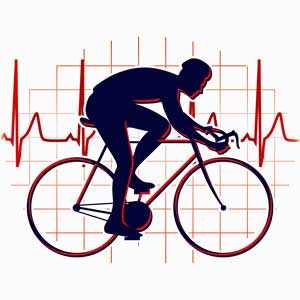
Vasper takes exercise to a new level.
Talk about taking exercise to the next level. Picture hopping on an exercise bike while wearing an oxygen mask, with cuffs on your thighs and arms, and your feet on freezing-cold brass plates.
As you exercise, the cuffs are infused with ice-cold water and compressed on and released as you’re receiving massive amounts of oxygen via the oxygen mask. The cold water is lowering your core temperature and reducing lactate buildup. As the compression cuffs open, your muscles and brain are flooded with an explosion of highly oxygenated blood.
The results, Dr. Ruhoy wrote, “are frankly astonishing, and they are completely sustained” (!). The downside is that it’s very expensive and is only available in some cities.
At-home approach. You can mimic Vesper to some extent by putting towels in the freezer and wrapping your thighs during a workout. (Maybe adding in an oxygen tank?)
Health Rising got some flak for its blog on cryo or cold therapy, but Dr. Ruhoy reports that in her experience, “any cold therapy is therapeutic”. 🙂
Sleep
Sleep, of course, is crucial. Dr. Ruhoy suggests:
- Getting a sleep study done; many times now these can be done at home
- Not eating three hours before bedtime
- Discontinuing all screen time two hours before bedtime
- Lavender creams on the feet – particularly on reflexology points / lavender mists on the bed sheets
- If taking a shower, turn the water to cold at the end for 10 seconds to promote a “rest and digest” state
- Some people may benefit from taking oxygen before going to sleep
- Melatonin about 30 minutes before sleep / use for three months, then take a 4-6 week break
- If it works, try white noise or meditative sleep music
- Magnesium, L-theanine, valerian root and passionflower tinctures
- 15 minutes quiet time before getting into bed
- Dark room (eye mask)
- Cool room
- Body scan when first getting into bed (start with toes and move up the body)
- Ergonomic pillow that slightly elevates the head – aiding glymphatic circulation.
Upon awakening:
- Stand slowly from the bed
- Drink a large glass of room temperature water (add lemon for extra digestive action and a large pinch of salt).
- Morning light exposure – go outside for at least 20 minutes between 6 am and 10 am
- Schedule meals and movements around the same time each day.
She often prescribes sleep drugs and notes that they can remind the body and brain what it feels like to sleep.
Preferred Sleep Drugs
- Gabapentin, nortriptyline, low-dose naltrexone, mitazapine, trazodone, eszopiclone
Managing Stress and Trauma
Everybody with a devastating chronic illness probably has some form of PTSD – it comes with the territory. There’s more to this chapter than this blog will show, but she recommends eye movement desensitization and reprocessing (EMDR), biofeedback, neuroplasticity programs, ketamine-assisted psychotherapy, and even psychedelics. She also recommends spending 20-30 minutes each day thinking through current stressors to clear the mind before sleep.
Age Doesn’t Matter!
Dr. Ruhoy’s assertion that age doesn’t affect treatment effectiveness was good news indeed for us longtime patients. In Dr. Ruhoy’s experience, treatments “have almost as much potential at being effective, no matter the decade of life”. Nice!
Regenerative Therapies
This book has focused quite a bit on basic approaches but in the regenerative therapy chapter, Dr. Ruhoy shifts into, if not the future therapies, at least quickly emerging ones. The future of medicine for Dr. Ruhoy lies in “regenerative therapies”. These therapies go beyond managing symptoms to helping damaged tissues rebuild, and that includes the connective tissues she believes play a central role in these illnesses.
That said, they don’t necessarily appear to be game changers or instant fixes. Instead of being one-shot ponies, regenerative therapies are best used, Dr. Ruhoy notes, in conjunction with the basic building blocks that much of the book has focused on.
Peptides
“Peptides are showing great promise for the treatment of metabolic disorders, pain, inflammation, immune disorders, and more.” from Invisible
Peptides are fragments of proteins – sequences of amino acids – which can stimulate cellular repair. Peptides work their way into a part of the cell – the cellular membranes – which studies suggest may be quite damaged in ME/CFS. (Remember all the debris from damaged cells, Dr. Ruhoy believes, is mucking up our systems.)
Dr. Ruhoy believes peptides hold “great regenerative potential” and are not as commonly used as they should be. Again, we’re looking more at help than cures. Peptide therapies are her first choice for patients taking on regenerative therapies because they can “make some difference the fastest”.
What could be better than a substance, though, that rebuilds collagen – a key part of the connective tissues? Not only do GHK-Cu and BPC157 lay down intact collagen fibers, but they also reduce the formation of scar tissue and are anti-inflammatory to boot. BPC157 can also improve gastrointestinal distress and improve blood flows to the brain. Among other things, it’s been used to treat traumatic brain injury and neuroinflammatory diseases.
ARA290 helps repair the innate immune system (which apparently is going gangbusters in these diseases) and helps people with neuropathy, glucose dysregulation, and pain.
Thankfully, peptides are apparently easy to get and can be ordered online. Dr. Ruhoy states, though, that it is “very important that you work with your doctor as there are many, many peptides.” A blog on peptides is coming up.
Stem Cells and Exosomes
“I’ve long believed that stem cells are the future of medicine.” from Invisible
Dr. Cheney recommended stem cells, probably 20 years or so ago. I’m sure I’m missing some doctors, but I can’t remember another ME/CFS expert who has recommended them.
Stem cells are like a calm in the immune storm that’s going on in ME/CFS and other complex chronic diseases. Because they’re not mature, the immune system simply leaves them alone.
When activated, they can generate healthy cells whose job is to replace damaged ones. In stem cell therapy, stem cells are harvested from fat in our body and then put back in to spur the production of more stem cells. They actually migrate to sites of inflammation or damage to build new cells/tissues. Dr. Ruhoy calls them the “A-team soldiers when we are losing the war with infection”.
While Dr. Ruhoy wrote that she “can’t argue with the benefits” she’s seen in patients who have traveled outside the US to get stem cell therapy, she focuses on ways to indirectly build stem cells.
Most of them have already been discussed. They include intermittent fasting, caloric restriction, good diet practices, infrared saunas (part of Dr. Ruhoy’s personal healing approach), aerobic exercise, lifting heavy weights, reducing sugar intake, and cold exposure can all boost stem cell production.
Exosomes
Stem cells can take months to work and, Dr. Ruhoy noted, usually require more than one treatment. Exosomes are small extracellular packets or vesicles that contain growth factors and other substrates that help with cellular regeneration. Upon being infused, they go to work right away, releasing anti-inflammatory and growth factors. Dr. Ruhoy wrote that “many people have seen a noticeable effect of improved pain, mobility, stability, and fatigue.”
Stem Cell and Exosome Clinics
No FDA-approved exosome treatments exist. A few clinics in the US offer exosome therapy.
A search indicated that over 1,000 clinics in the US already offer stem cell therapy. Dr. Ruhoy does not discuss these clinics, nor does she appear to provide this treatment.
People still travel outside the US for stem cell treatments because they provide so much more bang for their buck. Not only are the treatments much less expensive (50-80% cheaper; $3,500-$25,000 US; $20,000-$50,000 US), but because restrictions in the US prevent clinics from growing large numbers of stem cells, patients can simply obtain many more stem cells at outside clinics.
Prolotherapy
Prolotherapy reminds me of stellate ganglion injections in its simplicity. Prolotherapy simply consists of a dextrose solution injected into damaged tissue to help rebuild collagen. Dr. Ruhoy writes, “it can be very effective for patients with connective tissue disorders”. While it’s not FDA-regulated, it’s become fairly mainstream, and you should make sure to find a reputable provider.
Platelet Rich Plasma (PRP)
In PRP, your platelets are collected, concentrated, and then injected into the site of injury to spark a cascade of cellular repair and, among other things, repair blood vessels.
Dr. Ruhoy wrote that “many patients can avoid, at the very least, years of increasing dosages of pain medications, and, at the most, surgical recommendations of their joints”.
PRP can easily be found at physiatrists, pain and sports medicine specialists, or orthopedists.
Plasmapheresis
Dr. Ruhoy called plasmapheresis “more effective and more expensive”. Health Rising has covered plasmapheresis, which filters out antibodies, inflammatory mediators, and pathogenic proteins from the plasma and returns your cells, plasma-free, to you. Her office now has a plasmapheresis machine and offers outpatient plasmapheresis.
While it’s expensive now, its use is spreading, and the technology is improving, and hopefully the costs will come down.
Red Light Therapy
Red light therapy’s ability to stimulate mitochondrial function makes it a clear option for people with ME/CFS, FM, long COVID, and related conditions. Stimulated mitochondria, Dr. Ruhoy points out, not only provide more energy but also help to tamp down inflammation, heal scars, produce more collagen, and provide more blood flows to the tissues.
Red Light Therapy has been covered in spades before in Health Rising, and with Ari Whitten’s new book out, we’ll take another shot at it. (Plus, a blog on a more lasting kind of red light therapy – laser light therapy – is coming up.
That was it on regenerative therapies – for now – but regenerative therapies are a hot field which Dr. Ruhoy feels “we have hardly scratched the surface of”.
Cleaning Up Your Environment
Twenty pages focus on everything from making your house a clean, toxin-free environment to personal care products, air purifiers, to excipients that litter supplements in particular.
This blog will just cover the “dirty dozen,” the top 12 vegetables and fruits that are most contaminated with chemicals and should only be taken in organic form. They include strawberries, spinach, dark leafy greens (darn!), cherries, blueberries (blueberries!), green beans, peaches, pears, nectarines, grapes, apples, and peppers.
Taking a Swing at That Villain
Dr. Ruhoy admits that the lifestyle changes she suggests are not easy, but she urges compassion and patience. Every day presents a new opportunity to make a good choice, to take a swing at that villain (your illness). Most importantly, be diligent and pay attention to how your body responds to the different approaches. We’re a heterogeneous bunch.
Because most of us don’t have access to an expert like Dr. Ruhoy, the next best thing to do is find a doctor who will listen. If, after 2 sessions, it’s clear that your doctor is not interested, she suggests, try another one. (Health Rising’s Doctor Review Big Map will be up shortly).
Is Recovery Possible?
Dr. Ruhoy gave a rather sober answer that surprised me a bit. She believes that our physiology has changed and it will remain changed. If we remain diligent and continue listening to the signals our body is telling us, though, we “have a great chance of being very well”. Certainly, well enough to “be able to engage in work and family opportunities and…enjoy a social life.
That’s pretty darn good, but I’ve seen too many successful neuroplasticity stories where some people appear to be back to normal, doing intensive exercise, etc., not to believe that a full recovery is possible for some.
Helpful drugs are available, but we’re still a long way from being able to walk into a doctor’s office and get an affordable, insurance-covered drug approved for these diseases. Dr. Ruhoy noted, though, that ten years ago, peptide therapy, the Gyrotonic system, and infrared saunas were either unavailable or not proven therapies, and while they are not covered by insurance, they have become available.
Indeed, since this book was published, fibromyalgia has seen its first FDA-approved drug (Tonix) in decades; GLP-1 agonists and stellate ganglion blocks have emerged, both of which now play major roles in her clinic and are being trialed in large long-COVID clinical trials.
So are STAT inhibitors, strong immunomodulators, monoclonal antibodies, LDN/Mestinon, Dr. Pridgen’s three-drug combo…the list goes on and on.
The potential to get better is there for all of us, she believes, and her story demonstrates that. She recently underwent another brain surgery to remove more tumors. Her description of the aftermath of her first surgery was as harrowing a reading as I can remember. Early on, with her light and sound sensitivity and extreme disability, she fit the picture of a severely ill ME/CFS patient.
The remarkable thing was that, contrary to her doctor’s expectations, she appears to have fully recovered using many of the treatments and practices in this book. (She will periodically have to have surgery to remove tumors.) Her return to health, to be able to work, exercise, and have a more or less normal life has been nothing less than remarkable.
Hopefully, many of us can do the same. At the end of this book, I was taken by the basic steps I could take in a variety of areas (diet, breathing, sleep) that even now, after so much time, I’ve never fully embraced. I was also quite intrigued by the idea that regenerative medicine will, over time, provide answers for our mysterious conditions.
Health Rising is not affiliated with Dr. Ruhoy’s practice in any way and does not derive funding from any of the products mentioned in this blog.



Hi cortisol, I keep saying, interview Liz parish. She’s trying to bring easily available cheap regenerative medicine to thr general population
From CORTisol 🙂 That gave me a good laugh. I loved the regenerative medicine part of the book. Thanks again for the reminder. 🙂
Why can’t physiology go back? I wonder…
I AM TYPING IN ALL CAPS BECAUSE I HAVE A BROKEN WRIST. THIRD FALL SINCE OCTOBER. THE DIZZINESS AND IMBALANCE STARTED AFTER I BEGAN PT TO IMPROVE MY POST COVID WALKING PROBLEMS. SO BE VERY CAREFUL BEFORE YOU JUMP INTO PT.
I HAD A FUNCTIONAL CURE FROM DR. PAUL CHENEY’S STEM CELLS IN A BOTTLE. WAS ABLE TO PLAY 18 HOLES OF GOLF AND GO TO DISNEY THE NEXT DAY.
ALL OF THIS DISAPPEARED AFTER 2 BOUTS OF COVID 8 MONTHS APART IN 2023-4.
ODDLY, DR. CHENEY’S TESTING FOUND THAT ALL HIS ME/CFS PATIENTS WERE TOXIC TO OXYGEN.
THE TREATMENTS THAT WORKED FOR ME/CFS DON’T SEEM TO BE IMPROVING LONG COVID FOR ME.
I COMMEND DR. RUHOY, HOWEVER ON HER TIRELESS WORK DESPITE HER OWN HORRIFIC HEALTH PROBLEMS.
I was so surprised to see stem cells in there. After Cheney stopped his practice I never heard of them again, but here they are – her patients have had good results. 🙂
Good luck with your wrist and thanks for sharing despite it!
Avoid stem cell therapy! Dr. Cheney’s stem cell therapy patients initially showed improvement, but then their condition worsened over the longer term. In my case, I developed severe central apnea shortly after completing the treatment. Dr. Cheney stopped using stem cells and warned other doctors to avoid their use in CFS/ME patients. He did have some success with animal derived cell signaling factors which he manufactured himself.
Hi Betty,
I don’t find it odd that Dr. Cheney found all his ME/CFS patients were “toxic to oxygen” (if that means that increased oxygen delivery to the cells was a risk to them; do you have a reference to what he exactly means with that phrase?)).
Oxygen in itself is a sort of fuel-accelerator for mitochondria and for producing copious amounts of ROS. And ROS plus NO (nitric oxide) forms RNS, nitrosative stress molecules even more aggressive then ROS.
In ME/CFS availability of amino acids as actual fuel is reduced in the blood. It’s the one fuel ME/CFS patients are best at using without much impedance. Usage of most other fuels like glucose and fatty acids is reduced by blockades in ME/CFS. Oxygen delivery is reduced in ME/CFS even if (in at least a large subgroup of patients) RBC oxygen is high. NO production is reduced in ME/CFS and with it blood flow further reducing (maximum / peak) delivery of both nutrients and oxygen. And blood CO2 is reduced due to ‘wrong’ breathing or hyperventilation.
All necessary elements seem to ‘plot together to try and squeeze all the cells their energy production as much as possible’. All seems exactly wrong, but is it? There is research showing the immune system’s activity is modulated by the amount of oxygen (delivered to the cells, not in the RBC), CO2 and certain amino-acids (more means higher activity, less lower activity).
=> It seems to me our bodies do their utmost effort to try and prevent strong / peak / out of control activation of (part of) our immune system at the expense of everything else except long term survival. Makes sense to me as plenty of patients get sick after an infection that can be vicious to some patients (EBV, flu, Covid) or enduring exhaustion (that creates danger signals coming from the cells that are hard to differentiate from infection danger signals. Those are events likely to give a hard spin on the immune system, possibly / IMO making it difficult for the immune system to find balance again after it.
Heal well Betty.
Please add Lyme++ infections to that list of infections…
Yes, probably too. I thought about it but didn’t add it. At least in the past part of the Lyme community was outspoken they had nothing like ME/CFS and it easily provoked controversy. I believe neither ME/CFS nor chronic Lyme should be controversial, only better researched.
Thanks for your reply. “Long Lyme” is *exactly* like ME/CFS. I know this with certainty.
I write this just to be sure we don’t neglect this suite of infectious agents.
I think Cheney talked about being ”functionally intolerant to oxygen”. The cells being under strain and not able to handle more oxygen, since it leads to overload of oxidative stress. PEM as a ”redox collapse”.
Hi,
I agree with the warning about PT. It made me worse too. Firstly, the exhaustion of attending. Secondly, the impact of these massages and exercises. Massages amplified my brain fog and migraines. Exercises caused a labrum tear in my shoulder. Despite surgery my shoulder does not work well, and is more and more painful.
When you talk to physiotherapists who know about EDS, they all say the same: “don’t come to my office. Do at home what you feel is comfortable.” They all have heard about or seen themselves patients getting substantially worse with PT. And we all know that once we get worse, it is for months, years, or forever.
ME/CFS is an escalator going down. Avoid taking a step downwards yourself.
I agree with the PT warning. My therapist even took the training on ME/CFS from Workwell Foundation, but she ultimately did not understand the training or my limitations. After 4 months of cautious build-up of mostly stretching and very gentle strengthening, she started putting me on a recumbent exercise bike and was using my heart-rate (which stayed pretty low) to reassure herself and me that I was in a safe zone. Well, turns out heart rate is not much of a guide. After a few sessions of this, where she took me from 4 minutes to 9 minutes on the bike, I crashed worse than I had in years, and, 10 months later, I’m still not back to my old baseline.
Would you say the PT helped but it was the attempt to exercise that crashed you?
I do think it was good to be gaining strength through a guided program of stretching and gentle, very slow-paced isometric exercise. I’m 67, and two decades of enforced sedentary life have taken a toll. I was fully horizontally bed-bound for most of 5 years in my 40s (with two small children), then gradually improved after I learned to pace religiously, to where I was able to not only sit up and be upright but to get out of the house nearly daily. So the structure of PT, when it was not attempting anything “aerobic,” seemed to be working to strengthen me, although it was not seeming to enhance my exertion tolerance at all. After 20+ years of experience with this demon illness, I was skeptical when my PT started putting me on the bike, but she told me that this is where I would start to reap the real benefits. I went ahead and let myself hope. (By the way, I learned later that the whole thing of putting me on the bike was absolutely NOT recommended by her Workwell training. Because she was a specialist in ANS conditions, she thought she knew more than they did, I guess.) Within a month, I went into a crash of the kind I had not experienced in over a decade. Haven’t fully recovered yet. It’s been tough.
I was helped greatly by exercise with and without the support of a PT. I was never worse than a moderate.
The key is to always stay below your personal limit of exercise. And you must never allow the PT to take the lead to decide on that.
I searched quite a while for a PT. I was successful with a guy who was also a personal trainer with a specialty in the recovery of athletes with injuries.
He hadn’t heard of ME/CFS before. So he wasn’t spoiled by any weird psychosomatics. And I had the chance to bring him an introduction to the disease and pacing on the biomedical understanding of the disease.
Now, that I have progressed with accepting having a chronic illness I don’t need the support of a professional anymore.
I just do my daily exercise, wether it be an hour of gentle yoga or a round at the gym by myself. The more relaxed and happy I become again with the illness the more I enjoy my “movement” routines.
I feel that they have a great effect on the root cause of the illness – I feel more fit and healthy and have a higher baseline when I stick to my routine – and on my psychic well-being.
DR CHENEY’S PATIENTS DID BETTER AFTER THEIR VISITS FOR WHOLE BODY STEM CELL TRANSPLANTS IN PANAMA…FOR A YEAR OR TWO…BUT THE EFFECTS WEREN’T LASTING. THATS WHEN HE CREATED WHAT HE CALLED STEM CELLS IN A BOTTLE. ONE FOR BRAIN; ONE FOR HEART AND THE MOST POTENT MADE FROM EMBRYONIC PIG CELLS. HIS FAMILY HOLDS THE PATENT FOR THESE AND YOU CAN ORDER THEM. YOU TOOK THESE CONTINUALLY SO WHATEVER WAS CORRUPTING YOUR SYSTEM COULD BE CONTINUALLLY TREATED. THEY WORKED WELL FOR MY ME/CFS, BUT NOT AS MUCH FOR COVID. BUT I HAVEN’T BEEN AS CONSISTANT WITH USING THEM BECAUSE THE SYMPTOMS AREN’T THE SAME.
I AM INTERESTED IN THE BCP 157 PEPTIDES. DID YOU TRY THESE?
I remember the toxic to oxygen theme! I forget how he tested it but I wonder if oxygen reperfusion was running into hypoxic tissues and producing massive amounts of free radicals (i.e. reperfusion injury?).
Mitochondrial problems could also produce oxygen toxicity I believe if the oxygen ramps up mitochondrial activity causing trouble.
Hypoxia can stabilise some immune cells like neutrophils. That contains / reduces excessive immune activation, which can be usefull if it rises to high. It also makes them live a lot (many times!) longer. They go in a sort of semi-dormant state producing increased but IMO controled amounts of ROS.
IF for example exertion (which demands increased local blood flow) would draw them near muscle tissue, they could accumulate there. Normally they would die fairly quick to more modest numbers. With hypoxia there is the potential they sort of lay dormant as ‘mines’ waiting to awake for their trigger (restored oxygen supply in this case).
Then a strong increase in oxygen delivery by for example a new exertion too soon after the previous one (causing local blood flow and oxygen release increase) or a strong rise in blood CO2 levels could awaken this local accumulation / glut of neutrophils and restore them quickly and simulaneously to near normal activity.
That has potential to go BOOM. So I can envision a series of:
-> exertion
-> increase in local blood flow
-> activation of ‘old dormant’ immune cells plus attracting new ones
-> local immune activity getting dangerously out of control (too high for already weakened tissue)
-> body reacting by cutting off (reducing to the bare minimun) blood flow and oxygen delivery
-> local present immune cells going in semi-dormant state again but producing increased amounts of local ROS
-> it taking surprisingly large amounts of time to build down local excess of immune cells during (local) hypoxia. Note that crippled mitochondrial enzymes (as in ME/CFS) IMO may further extend immune cells lifetime under hypoxia.
-> exerting again too soon with weakened tissue
-> simulatneously creating a local burst in blood flow and oxygen delivery needed for the exertion AND quickly after that the weakend tissue releasing cell danger signals (further triggering immune activity) due to cells exerting in an already weaker state at the very same time there is an ‘immune burst’ due to restoring blood and oxygen flow
-> immune system going wild and body going into panic
-> body tries to clamp down blood and oxygen delivery as fast as possible
-> …
That IMO is possible in muscle tissue but also (things rather similar) in brain tissue.
Problem is that neutrophils lifespan is not only extended to multiple days or more (roughly PEM period) but also that hypoxia can modify neutrophil behavior for months to come due to histone (epigenetic) modification too. So just waiting out till PEM has resolved isn’t enough to resume normal activity. And ‘just’ increasing oxygen delivery to break hypoxia is trying to overrule the method by which the body seems to try and tamper down dangerous immune activation and flares. And neutrophils aren’t the only ones showing this behavior.
In much simpler words:
It is a bit like a fire.
A) Give it enough oxygen and it’ll burn fierce. The fire will quickly burn out the fuel and leave the place in ashes. The fire will move on if it’s uncontrolled (risk) or extinguish if it’s controled (like controled forest fires in forest management = opportunity, more safety).
The remainders will smolder but not that long since there isn’t much left to smolder.
B) The other option is to deprive the fire from oxygen. If you do it early enough, the fire will still be very small and generate too few heat to sustain itself or even smolder long.
C) If you deprive the fire of oxygen when it has already reached a critical mass, then the flames will go down a lot in intensity but it will smolder far longer then usual. (that’s how charcoal is traditionally made: burn a wood fire in a pit, choke the fire by covering it with soil and let it smolder in the absence of oxygen for days).
The acute fire is contained quickly thanks to depriving it from oxygen, resulting in far less visible damage. But it smolders for far longer making it much longer a risk of flaring up again when restoring oxygen and fuel supply to normal.
=> option A seems to be what the immune system of ‘normal’ people does: let it flare, make or brake, heal or die, go in full strength to eradicate the pathogen and hope the immune system itself doesn’t kill the patient
=> option B seems to be what plenty of ME/CFS patients do for years with modest infections: their immune system is deprived from oxygen but produces continous amounts of increased ROS damaging pathogens early on. Result: many patients haven’t experienced any real infection in years since they have ME/CFS (excluding strong new pathogens like Covid)
=> option C seems to be what gets patients from healthy into ME/CFS, long-Covid… in the first place. The immune system sees a fire big enough to be hard to control and the body goes into strong reduction of oxygen supply. The result is modest accute symptoms and remarkably few tissue damage to show for (letting doctors think you imagine being ill so long after the initial infection) but ‘immune smoldering’ goes on for a very long time and it is prone to any flare in oxygen and blood supply (and with it exertion).
Thanks, Cort! This is such a thorough blog, I couldn’t read the entire thing, lol. But the diet recommendations stood out to me as potentially dangerous. I spent a lot of time around the “wellness” industry, for which I worked in before I got sick enough to be on disability, and its adjacency to diet culture is too correlated to skim over. There hasn’t been enough research on some of these recommended diets to say they can for sure work for everyone.
I’ve personally tried a number of them—keto, Whole30 (not meant to be permanent), low FODMAP (also temporary), auto-immune protocol and intermittent fasting. They all made me physically worse and psychologically afraid of eating. I also have celiac disease, and a couple other allergies due to MCAS, so there are some things I HAVE to avoid. But after trying a few extreme diets in a row, losing so much weight that my prescribing doctor told me to go back to eating whatever sounded good, and being mentally overwhelmed by all the rules around these diets, I had to seek a new therapist to deal with disordered eating.
I say all of this in case there’s someone out there also struggling with the food recommendations. They’re NOT for everyone and can make things worse, both physically and psychologically. I’m not a doctor, so obviously listen to your practitioner, but it feels really necessary to point out that these restrictive diets can easily slide into eating disorders in the name of health, especially obsessions with “clean” eating.
https://www.nature.com/articles/s41590-025-02335-z
Saying “Systemic hypoxia is sufficient to induce persistent neutrophil dysfunction in humans, MONTHS after acute respiratory distress syndrome or high-altitude conditions.”
See my highlight: months after… whatever caused oxygen delivery problems like Covid, a strong round of infection… So this aligns perfect with the observation that end of (Covid or likely others too) infection does NOT mean ‘ready to resume normal activity at 100%’ even if virus is 100% eradicated.
Those with mild accute Covid symptoms are more at risk for Long Covid in this view, as it could have been the immune system seeing early on it’s up to a real challenge risking dangerous overactivation (as more accute Covid patients died from overactivation of their own immune system then the virus itself) and switching early on to the model of clamping down oxygen and blood flow resulting in copious amounts of semi-dormant immune cells living a long live and producing increased amounts of ROS (which is a good way to damage virus and reduce its virality) at the cost of a long time of decreased energy production and far longer recovery times.
That is even seen in plenty of stronger accute Covid cases who do not turn into long-Covid: plenty of symptoms linger and reduce only after weeks or months. That is for patients where the immune system IMO chose for a quicker and stronger activation at the risk of going bezerk. For patients where the immune system chose the long inhibition-like approach, recovery would take a lot longer AND safe activity levels during that period would be much lower. When forced to take up activities too soon, those patients are IMO at high risk of long-Covid (in this model / hypothesis).
Further info:
https://pmc.ncbi.nlm.nih.gov/articles/PMC2212759/
with title “Hypoxia-induced neutrophil survival is mediated by HIF-1α–dependent NF-κB activity”
https://ashpublications.org/blood/article/139/2/159/483348/Mitochondria-shape-neutrophils-during-hypoxia
saying “In various cell types, hypoxia can increase mROS, which further affects HIF-1α stability… …Furthermore, hypoxia seems to have a DUAL role in neutrophils, because there is evidence that it can be anti-inflammatory in some chronic inflammatory conditions…”
(note I emphased DUAL)
Thank you, dejurgen, this was extremely interesting! The model fits so many observations – both in the ME population at large, and my own experiences. .
Can you tell more about the stem cells in a bottle? How did you take them and how did they help?
And how can they be obtained?
I am too severe to read whole article. And been going down, especially mast cell, and getting pretty darn desperate for something to keep me afloat.
Any help appreciated!
Also sending healing wishes for you 💙
DR CHENEY’S FAMILY HOLDS THE PATENT FOR CELL SIGNALLING FACTORS AND THY STILL MAKE THEM. I AM NOT SURE THAT I AM ALLOWED TO POST THE EMAIL FOR ORDERING HERE. YOU CAN GO TO THE ‘REMEBERING DOCTOR CHENEY’ FACEBOOK PAGE AND ASK ABOUT THEM THERE.
I was a patient of Dr Ruhoys a few years ago. She was a helpful sounding board for me as I navigated between my naturopathic doctors, my autonomic neurologist and Dr. Kaufman, as she understood all of the treatments I was being offered.
I am well today. Yes, I tried many of the treatments covered in your interview, and I am thankful. But, the things that made the most difference were IVIG, beating back herpesviruses and atypical pneumonias with drugs, and nutrients to repair my damaged mitochondria. The other stuff is good, but it all supports having the body recover from infections and toxicity.
A word of caution regarding stem cells and exosomes – if there is even a tiny nascent cancer in the body – stem cells and/or exosomes could provoke it to grow.
I AM VERY INTERESTED IN WHAT YOU DID TO BEAT BACK HERPES VIRUSES. ANTIVIRALS. THEY NEVER DIE AND LIVE IN YOUR BODY FOREVER.
After 5 years of valganciclovir and then adding famciclovir after either EBV or HHV6 reactivated PCR positive, info was starting to come out on tenofovir, which is mentioned in this document. After 2 months on tenofovir, purchased through Mark Cuban’s Cost Plus Drugs, neither have reactivated.
Crossing fingers that the Long COVID IVIG trial works out. I too would love to hear how you beat back the herpesviruses and the nutrients you used to repair your damaged mitochondria:)
Please could you look at Ozone therapies, ten pass and others. After 20 + years ME from mild to severe, it’s been the things that’s helped the most dramatically. In 2022 I did 10 sessions of ten pass that got me from moderate / severe to mild that lasted 3 years until a second covid infection last year. I’m doing another batch of Ozone ten pass now after a year long covid.
I’d like to know how it works, what cheaper alternatives there are, (I’ve done lots of experimenting with home Ozone and peroxide), and how to optimize it.
I haven’t heard of ozone therapy for years! Glad to hear it worked for you. We did do a post on hydrogen peroxide, though. It can certainly be helpful.
https://www.healthrising.org/blog/2022/10/07/nebulized-hydrogen-peroxide-harm-or-help-an-inquiry/
Hi, be very careful with ozone & ozonators that are avaiable for home use. I bought one & it made me much, much sicker. I’m now 5 years past my experiment & infinitely worse off. It greatly increased my Multipule Chemical Sensitivity & I can’t escape it. It clings to all materials so you end up carrying it with you everywhere.
The only treatment that has helped to control the intense pain it causes me is Xanax. I believe it blocks histamine receptors that for some reason are activated by ozone. A Mast cell reaction probably.
Yes, it was a really helpful measured post and the only place I found that was both critical and balanced. Everywhere else seemed to say don’t be so stupid or it cures everything!
I found what worked for me was peroxide baths which maintained the level I got to through Ozone ten pass. But the baths weren’t enough to lift me up from post covid slump. The baths also seemed to work on a 3 week, same as Ozone, as in if I didn’t do any for 3 weeks, I noticed myself slipping down. Normally I do twice weekly baths
Hi,
The real problem of complex diseases is the ostracism (sexism, racism, ageism, etc.) of the medical establishment. I don’t know why, but that profession has that profound contempt for anyone who has a health issue.
If we remove gaslighting from the equation, we would start treating people much earlier, we would avoid counter-productive measures, permanent damage and the iatrogenic PTSD many ME/CFS patients end up with.
I believe the treatment options Dr Ruhoy describe have a good chance to give good results on people who’ve just fallen ill and who have a good support system.
Unfortunately, this is just a minority of patients. The majority of patients fall ill when they are teenagers, and have to endure a level of bullying that is unbelievable. They are prevented from sleeping, pain is left untreated, and everybody makes sure to discredit them among their friends and family. The perfect recipe for life-long disability and mental health issues.
I am obviously all for the medication that will cure us all. But in the meantime, there is something that can make a massive change for thousands of people. And this is, to take patients seriously irrespective their gender, socio-economic background and age instead of delivering the standard, simplistic “oh-it’s-nothing-don’t-you-get-that” statement by a moron with a MD title. The very fact that people advise patients “to advocate for themself” when they see a doctor is very revealing. This means that you have to put forward a case, like in court, to convince a decision maker you have a valid claim… Let’s just pause a second, and think how ridiculous the concept is.
I look forward to reading one day an article on the impact medical gaslighting has on society in general: on life expectancy, on economic burden, on lost opportunities, on carers’ health, on medical expenditures, etc. It is only once this has been understood by society that books like the one promoted will really help patients.
Well said! I have mild ME since 20+ year (able to work part time), and have been avoiding conventional health care for many years. Recently I did an enzyme test for mitochondrial activity that showed a relatively extreme profile. I don’t know if it may be a sign of any primary weakness or even pathology in the mitochondria, or if it’s more of a functional consequence of other problems (CDR, oxidative stress etc). But I thought it would be really helpful if a MD specialising in mitochondrial and metabolic diseases could look at the test profile and advise if there is a need for further testing. So I scheduled an appointment with a primary care doctor to ask for a referral. I kind of expected to be dismissed, but that there would be a chance that the doctor wouldn’t be able to dismiss the test results due to not having the knowledge to interpret them (he definitely didn’t have that knowledge). He seemed extremely sure that I was a kind of patient seeking unnecessary examinations and tests, even though we had never met, and he had no documentation about my history other than that I had told the nurse that I had been under treatment from a ME specialist in Belgium from 2012-2018. There really seems to be some kind of deep rooted contempt for people being ill – if the basic conventional medical approach can’t explain the cause…
I have tried some of these treatments but I’m so hypersensitive that things don’t always work for me. That includes peptides, no noticable results but incrwased histamine was a problematicem. I used oxygen therapy with a concentrator for about 8 months, not sure if it helped but it might have. I do want to experiment with using it while exercising at a very very low level. I would love to see Dr. Ruhoy but I live in Canada and have no private insurance whuch is needed in the US. When l look at her prices they are quite shocking. Sadly in Canada we have almost no doctors willing to prescribe off label.
Hi Helen, I can relate. It’s best to get vegan (even if you’re not vegan) friendly supplements without fillers, binders, flow agents and preservatives. As far as peptides, other factors need to be addresses first. It’s like getting the oil but no gas in your car if that makes sense. Maybe you can get referred to physical therapy by your doctor.
Few doctors in the US are willing to prescribe off label as well. In our country Big Insurance controls what most doctors can prescribe. When there is very little political advocacy for addressing complex illnesses, those of us with them tend to be ignored or treated like second class patients by many doctors.
I have done physiotherapy as you call it PT in the US. Tried many things. Thanks.
So true! I am in Quebec.
I take a lot of these supplements and then some to be functional. She’s right about movement, laying in bed all day made the pain worse and contributes to muscle atrophy creating a new cycle of CFS. I saw gradual improvement with resistance training and natural yoga. These are both easier to control and pace compared to cardio exercises.
The best thing i did when I was on deaths doorstep was to get up and begin to move way back in 93′
Really? How severe were you?
I’m not sure if your question was for me or the other commenter but I’m moderate now with occasional relapses into severe. I was severe 8 years ago and have gradually extended my energy envelope to meet most but not all basic needs. I went from mostly bed bound to now mostly housebound saving my energy only for school work, doctors appointments and resistance training.
Angelina…if you are talking to me ,Roonie….I was diognosed by a cfs expert and put in the severe class.
The “allergy” part of my illness is extreme.
An example is, when they put trace amount molibdimum into my IV I ended up with hives the size of grapefruit all over my chest, stomach etc.
It doesn’t seem to matter what metal either.
Part of my issue, I believe, is my lymph system to be not functioning as it should…I believe these large hives are in my lymph.
Working on SIBO seems to be helping
Incidentally…my 3rd covid shot produced the same size hives.
They have found trace nano particles in the CO**D shots.
I do hope and prey none of you peeps are getting any more of these
Well, laying in bed all day was the only way I was able to gradually go from severe to moderate/severe over the course of years. Pain was not my issue (which does NOT mean I don’t experience pain in relation to my illness…sure, it’s part of the crash response). And I would never call my illness CFS, and there is the crux of the problem. We are undoubtedly talking about apples and oranges. I have M.E., and extreme exertion intolerance is the hallmark symptom and is the total problem with M.E. Without the exertion intolerance, I wouldn’t have an illness, or at least not one that has robbed me of most of my life. My quandary is that, if I do nothing, I get weaker, which shrinks my activity tolerance, but if I am “active” at all, I trigger my exertion response, which is extreme and prolonged and lands me in bed for weeks or months. It’s extremely difficult to manage (more or less impossible), as the other people on this site who have M.E. can confirm.
I think the overarching theme that is emerging is that they are all post infectious illnesses presenting with various constellations of symptoms.
Absolutely and if I wasn’t bed bound for years I wouldn’t have made it to this level either. Clearly, we needed it for a particular stage of recovery and there’s nothing wrong with that. I actually had ME/CFS first then compounded by Long-Covid a few years in. I just started physical therapy today with a specialist who’s experienced with our conditions. Your local long covid clinic may be able to refer you to someone similar even if you don’t have long covid.
Like Dr. Ruhoy wrote – what a lousy catch-22. A couple of years ago, the NIH began a large project to understand what happens to the body during exercise. unfortunately it was restricted to healthy people. I can’t imagine, though, but that it will help understand this mysterious disease.
I appreciate this blog, but it concerns me that a whole bunch of different illnesses are being lumped together here and treated as if they are one thing. The extreme exertion intolerance of ME is not replicated in these other conditions. So what helps someone with POTS or FM or some versions of Long Covid or MCAS might actually permanently further-disable someone with ME. The Vesper example in this blog set my hair on fire. I’m among those who has been taken to a permanently (it seems) lower baseline of activity by cautious-but-not-cautious-enough physical therapy. It took a few weeks for the accumulating harm to show up in a major crash (last June) from which I’m not yet fully recovered, and may never fully recover. I don’t know why all these conditions are being lumped together quite so casually. It makes no sense and seems dangerous, especially for new sufferers of ME, who don’t yet understand the risks.
OH, HOW I WISH I HAD READ YOUR POST BEFORE I STARTED PT. I THINK PATIENT EXPERIENCE IS THE MOST VALUABLE PART OF THIS BLOG. I HAD ME/CFS FOR NEARLY 40 YEARS BEFORE I GOT LONG COVID. THE SYMPTOMS ARE NOT THE SAME. WE KNOW THE ORIGIN OF LC BUT NOT ME/CFS. IF YOU HAVE BOTH, YOU HAVE A REAL CONUNDRUM IN TRYING TREATMENT OPTIONS.
I thought Vasper was fascinating but it would only be for those who can already tolerate exercise. Things are so tricky and there are so many different kinds of patients that the only thing I can help with that is just to go very slow and monitor.
Several people have commented that they had trouble with PT’s as well. Compare their experiences with my friends experience with an EDS specialist who walked out of the office feeling better than she could remember. Now, though, she’s having trouble finding someone who’s willing to try to replicate his methods.
My PT was a specialist in EDS and POTS, and she had taken Workwell’s training. In fact, I think that her prior experience with EDS and POTS turned out to be a liability. Those illnesses are not the same as M.E. They just aren’t. What my PT believed was helpful for those conditions was disastrous for me. It’s really unsafe to be treated by medical professionals who don’t properly understand the nature of PEM or PENE or whatever you want to call the profound exertion intolerance of M.E.
This is the problem with having a very heterogeneous disease that is larded with subsets. The person I referred to in the blog has EDS and severe PEM and showed remarkable benefits seeing a PT. She also did well with a very, very slow, mostly anaerobic, exercise program….(No bike work! :))
The next PT she saw didn’t understand and it didn’t work. On other hand, both Dr. Ruhoy and Dr Rowe regularly recommend PT’s, and Rowe has written that physical therapy often allows his patients to exercise more. Some of us are amenable to that kind of treatment, and some of us are not.
It’s the same with exercise. I can tolerate and even benefit from short bursts of weight and exercise band work. For others, its too much.
It sounded to me like you tolerated the physical therapy OK but the exercise portion was pretty devastating (????)
I’m not at all sure this is a “heterogeneous disease.” I think people here are talking about a bunch of different diseases with different causes, symptoms, and solutions. There are pretty clear diagnostic criteria now for M.E. and those are quite different from FM, for example. And rheumatologists often are familiar with FM and sometimes know how to treat it. They do NOT have training in M.E. and are clueless and are more likely to harm than help someone with M.E.
And yes, the gradual strengthening of my PT seemed to be safe. We worked very slowly, with only minor exertion and lots of rest, spread over an hour. That was within my capacity, and I think it was good for me. We checked on my heart rate a lot, which may have helped keep me safe. However, the heart rate was not a good guide to my response the aerobic activity (recumbent bike). Here’s my understanding: those of us with M.E. have chronotropic incompetence, which means our heart rate doesn’t respond to the usual stimuli. Whereas simply standing up for a while can push my heart rate over 135, I was peddling the exercise bike for 9 minutes with a heart rate under 95! Now, we know that the 135 is because of orthostatic intolerance. But the 95 is also a dysfunctional response. My heart rate is not responding to exertion. That was not something my PT understood. So we put me into a long-term (permanent?) crash.
Fascinating! I think your idea makes sense. When I start going south after too much standing I start moving around to get the blood flowing. I had to ask CHATGPT about this. I think it jived with your ideas.
I’m checking a few likely mechanisms that could make standing drive heart rate much higher than cycling, especially in ME/CFS and orthostatic intolerance. Then I’ll sort them into most likely versus less likely.
Thought for 16s
Yes. The simplest explanation is orthostatic intolerance with poor upright venous return, not “good exercise tolerance.”
When a person is just standing still, gravity pulls blood into the legs and abdomen. If autonomic compensation is impaired, blood volume is low, vessels do not constrict well, or there is excessive venous pooling, stroke volume falls and the body compensates by driving the heart rate up. In POTS, an increase of at least 30 bpm within 10 minutes of standing is part of the definition. Reviews also note that reduced plasma/blood volume and small stroke volume can contribute to reflex tachycardia during orthostasis.
By contrast, pedaling a bike can produce a much lower heart rate than standing because two things change at once. First, the person is usually seated or semi-recumbent, so gravity causes less blood pooling. Second, repeated leg contractions act as a muscle pump, pushing blood back to the heart and improving venous return. That is exactly why recumbent or seated exercise is often recommended first in POTS, and why the NASA Lean Test intentionally reduces muscular assistance to unmask orthostatic intolerance.
So the pattern you quoted can fit very well with:
POTS or another form of orthostatic intolerance
venous pooling / low preload
hypovolemia or small cardiac filling volume
sometimes deconditioning, which can worsen orthostatic tachycardia, though it is not the only cause.
In ME/CFS specifically, orthostatic symptoms are common, and they can be worse in the upright position than when recumbent. Exertion can also interact with orthostatic symptoms in complex ways.
Two important caveats:
Low heart rate on the bike does not prove the activity is harmless. In ME/CFS, post-exertional malaise can appear 12–48 hours later, even after activity that seemed well tolerated in the moment.
Heart rate alone is not the whole story. A person can have severe upright symptoms from reduced cerebral blood flow, hypocapnia, or blood pooling even if the measured heart-rate pattern is not classic.
So my best single summary would be:
Standing still is a poor “circulatory test” for this person because it exposes orthostatic failure, while cycling partly bypasses that problem by adding the leg-muscle pump and reducing gravitational stress.
A few more specific possibilities that could account for it:
classic POTS
orthostatic intolerance without full POTS criteria
venous pooling from impaired vasoconstriction
low blood volume
small-fiber/autonomic neuropathy
hyperadrenergic compensation to low preload
less commonly, a measurement artifact from the bike monitor or differing posture/setup
A practical clinical next step would usually be to compare:
supine 10 min → standing 10 min with HR/BP and symptoms, ideally with something like an active stand or NASA Lean Test, and then compare that with seated/recumbent pedaling. That often makes the physiology much clearer.
I can also map this pattern onto specific ME/CFS subtypes, like hypovolemic, neuropathic, hyperadrenergic, or cerebral-blood-flow–dominant orthostatic intolerance.
yes, please
I’m mapping that response pattern onto the main orthostatic-intolerance phenotypes and checking which ones best fit seated cycling being easier than standing. Then I’ll turn that into a practical “what pattern points to what” guide.
Thought for 10s
Yes. That pattern can be mapped onto a few recognizable orthostatic-intolerance phenotypes, and some fit much better than others.
The best-fitting subtype is usually low-preload orthostatic intolerance: the person is much worse when quietly upright because standing increases gravitational pooling in the legs and abdomen, which reduces venous return and stroke volume, so the body compensates with tachycardia. Seated or semi-recumbent cycling reduces that gravitational stress and adds the leg-muscle pump, which improves venous return. That physiology is central to POTS and related orthostatic syndromes, and it is why sitting, squatting, walking, or lying down often help more than standing still.
Here is how I would sort the main possibilities.
1. Neuropathic / venous-pooling dominant POTS or OI — strongest fit
This is the subtype where the blood vessels in the lower body do not constrict well enough on standing, often linked to partial autonomic or small-fiber dysfunction. Blood pools below the waist, cardiac preload falls, stroke volume drops, and heart rate rises to compensate. This subtype particularly fits a person who does much worse standing still than when moving the legs. Reviews describe neuropathic POTS as involving impaired peripheral vasoconstriction and excessive dependent pooling.
What would make me think of this subtype:
standing still is terrible, but walking or pedaling is noticeably easier
feet discolor, feel heavy, or blood seems to “settle” in the legs
compression garments or leg tensing help
symptoms worsen after heat, showers, prolonged upright posture, or meals.
2. Hypovolemic / small-heart low-stroke-volume phenotype — also very plausible
Some POTS patients have low plasma volume or otherwise reduced effective circulating volume, so upright posture causes an exaggerated fall in filling and stroke volume, again driving tachycardia. This can overlap heavily with the pooling subtype. In practice, these patients often feel much better when recumbent and may tolerate seated exercise better than standing because even modest improvement in venous return lowers the need for compensatory tachycardia. Reviews describe hypovolemia as one of the major POTS mechanisms and a contributor to orthostatic tachycardia.
Clues that point this way:
strong improvement with fluids/salt
worse in the morning or after dehydration
narrow pulse pressure, “empty tank” feeling, or reduced exercise reserve despite no obvious leg pooling.
3. Cerebral-blood-flow–dominant orthostatic intolerance in ME/CFS — very important even if HR is not classic
In ME/CFS, some patients have a marked reduction in cerebral blood flow during orthostatic stress, and this can happen even without dramatic blood-pressure drops or even without meeting standard POTS criteria. That means the real problem may be “brain underperfusion when upright,” with heart-rate rise being only part of the story. ME/CFS studies using tilt and Doppler methods report substantial cerebral blood-flow reductions during orthostatic stress, including in patients without classic hemodynamic abnormalities.
This subtype is especially worth thinking about if:
the person gets brain fog, visual dimming, pressure in the head, neck ache, air hunger, or near-faintness upright
the symptoms are more severe than the heart rate alone would predict
they may even struggle while sitting, not just standing. A sitting test has been shown to reduce cerebral blood flow in severe ME/CFS.
4. Hyperadrenergic POTS — possible, but usually not the cleanest fit by itself
Hyperadrenergic POTS involves excessive sympathetic activation when upright, often with tremulousness, palpitations, anxiety-like surges, and sometimes a rise in blood pressure on standing. It can absolutely coexist with low preload or pooling; in fact, the “hyperadrenergic” response may partly be a compensation for those problems. But if the main observation is simply “standing makes HR skyrocket, cycling does not,” I would usually think first of pooling/low preload, with hyperadrenergic features layered on top if there are shakiness, adrenaline surges, sweating, or hypertensive responses.
Clues favoring this subtype:
upright tremor, internal shakiness, panic-like surges
palpitations out of proportion to exertion
standing blood pressure that rises rather than falls.
5. Deconditioning — can contribute, but should not be the default explanation
Deconditioning can worsen orthostatic tachycardia by reducing plasma volume and stroke volume, and some POTS literature discusses it as a contributor. But the “standing HR 135+, cycling HR under 95” pattern is too specifically orthostatic to dismiss as ordinary deconditioning alone. In many patients, deconditioning is a downstream amplifier rather than the root cause.
So, if I had to rank the subtype fit for that exact quote, I would put it this way:
Neuropathic / venous-pooling OI or POTS
Hypovolemic / low-preload phenotype
ME/CFS cerebral-blood-flow–dominant OI
Hyperadrenergic overlay
Deconditioning as an amplifier, not the main explanation.
A subtle but important point: this pattern does not necessarily mean the person is “fine exercising.” In ME/CFS, seated cycling may produce less acute orthostatic stress than standing, yet still trigger post-exertional malaise later. Clinical guidance for ME/CFS stresses staying below the threshold that worsens symptoms and avoiding the old graded-exercise model when it provokes PEM.
The most useful bedside way to sort these apart is usually:
10 minutes supine, then
10 minutes standing or NASA Lean, tracking HR, BP, pulse pressure, and symptoms,
and then comparing that with
seated or recumbent pedaling.
The NASA Lean Test is specifically used to help reveal orthostatic intolerance in ME/CFS by minimizing muscular assistance to venous return.
A few observations that would sharpen the subtype call quickly are:
whether BP rises, falls, or stays flat on standing
whether the feet/legs visibly pool or discolor
whether fluids/salt/compression help
whether the person has tremulous “adrenaline” symptoms
whether sitting is also hard, which would raise suspicion for a stronger cerebral-blood-flow component in ME/CFS.
I can turn this into a compact symptom-to-subtype checklist next.
Wow! AI can be amazing. Well, I’m number 3, ME/CFS, and it’s true that standing for over a few minutes makes me fuzzy-headed (I start having trouble completing sentences, lol, and I’m not really the tongue-tied type). AND for the first five years of my illness I was bed-bound for months at a stretch over and over (until I learned to pace), because even a few minutes sitting upright would put me into a crash the following day, so I had to live horizontal. I had to pace that, too: being super cautious about how long I sat up in bed allowed me to expand my envelope very slowly. I went from fully bed-bound to moderate over the course of 7 years. And, of course, although I seemed to tolerate that exercise bike just fine (low heart rate, no immediate symptoms), I crashed very badly a day and a half later. Also, there was a cumulative element, because my PT had been putting me on the bike twice a week for increasing periods of time, and when I finally crashed, it was the most severe crash I’ve had in 10 years, and in fact I’m still not back to my baseline 10 months later. I’m glad AI knows about ME/CFS and PEM. I wish my GP, my PT, or any of my doctors did.
All I have done so far is watch Dr. Ruhoy’s initial video above and I have to stop and say that it’s incredible to hear that not only do doctors not pay any attention to regular women patients but even when those women are doctors themselves!!! And a neurologist at that! Incredible. And sad.
I went to my family doctor (20 years ago) sick as a dog for 6 months. SHE did nothing. The last visit she threw her hands up in the air and said “I don’t know what is wrong with you!” She then simply turned away and walked out of the room. No offer to refer me to a specialist. Nothing.
I diagnosed myself and found a specialist over 10 years later.
I know it’s hard for anyone to get diagnosed with unusually illnesses, not just women but there is that bias against us. I also think docs have a perception that unusual illnesses are rare and resist seeing them for this reason. Unfortunately, rare illnesses are becoming less so.
DM…its so simple….do what i do/did ,stop going to them.they havnt got a clue how the body works in unison.
Even the specialists get taught only about one organ. …heart specialist, lung specialist,foot specialist…the system is set up to keep you sick and on meds $$$$$$$$$$$$$$$
WHEN WILL YOU PEEPS WAKE UP!!.
Learn about the gut, biofilms,clotts,blood,fasting,ivermectin, fenbendozole,nattokinase, lumbrokinase, serrapeptase,sleep The vagus nerve,deep breathing,liver cleanses,bile flow.
STOP THINKING DRS ARE GOD. A very large percentage of drs got into being a dr for one reason$$$$$$$$$$$$$$
Drive that porche
As a person with ME/CFS, fibromyalgia, POTS, MCAS and chronic migraines, I don’t know why exercising is so important and debated all the time. Forget about exercise, I just want to be able to clean my house, cook food, and go for gentle walks. This is what I consider exercise at my stage in these conditions right now. I would rather be able to vacuum the house than doing any recumbent exercise.. I would rather garden than exercising with some physiotherapist. Why is regular house work not used as a measure for exercise? Try mopping the floor, gets my heartrate through the roof!! Maybe I’m just ranting, but are we not all trying to function before exercising?
That’s why she called the chapter “movement” and yes, all of that, counts.
Abe,
I agree 100%. The so-called “experts” (understand the “Dunning-Krugers”) do not even grasp what the main symptom of this illness, the severe, bone-crushing exhaustion that prevents you from taking care of the house, from cooking, from taking a shower, from getting dressed, without even mentioning anything outside the perimeter of the house, sometimes of the bed.
Below is the typical phone conversation to an ME Centre:
——–
Patient: Hello, I have severe ME/CFS, and I would like to know whether your clinic offers treatment for severe patients and whether you do home visits.
Clinic: Yes, we do treat severe patients, but we don’t do home visits. You need to come to the clinic so that your case can be discussed. We promote a holistic approach, you see.
Patient: I understand, but I need a home visit because I am too ill to come to your clinic.
Clinic: We do not do home visits. You need to come.
Patient: I am too ill to leave the house.
Clinic: Uh ? How come that you cannot go out?
Patient (articulating each word as clearly and slowly as possible): I. Have. Severe. ME/CFS.
Clinic: ok. No problem. We are specialised in severe cases. We can arrange an appointment. When can you come to the clinic?
——–
Please note that it is the same people who will then tell you that if patients no longer visit doctors it is because they like being ill and enjoy the positive attention they get (yes, you read well).
Even when you manage to see the Kruger, and explain you cannot do anything, they understand the sentence “I cannot do anything” as “I work full time, can travel, cook from scratch for 6 every night, see friends, but can no longer run more than 5k a week”. And even if one day, by chance, you see a doctor who has more than 3 brain cells, then they understand that you can no longer exercise at all. And guess what the solution is?
… yep! say it louder… yes… once more… louder please… don’t be shy…
EXERCISE !
You are right though. It should be used as a measure. Being functional to meet your basic needs should be the priority before other exercises. The only thing I would add is the risk of muscle atrophy and a vicious cycle from lack of strength training but again, meeting your basic needs before progressing further should always be the plan.
I don’t want to be harsh or overly pessimistic, but I’m sort of floored by how detached and tone deaf this article reads as compared to what patients are really experiencing, at least from my perspective.
The idea that we “have a great chance of being very well” and will “be able to engage in work and family opportunities and…enjoy a social life” is a flat-out direct contradiction to what empirical data shows in terms of disease burden and recovery statistics. 20% of ME/CFS patients can work full time, 25% of patients are housebound or bedbound, etc.. What am I missing here?
The alternative therapies listed here have been tried extensively by the patient community with very little success beyond moderate symptom management.
I agree. Your missing the point that most articles are not about ME but chronic fatigue.
You’re right.
The suggestions could work for patients who recently fell ill though. An extra problem is the delay between the triggering event and the diagnosis. By the time patients are diagnosed, the window of real chances of recovery has shut. This is why a blood test -say a week after infection- to detect the marker of *future ME/CFS* would be a game changer. Some treatments available today could significantly reduce the duration/severity of this illness. But hoping to cure someone after 5, 10, 20 or 40 years of chronic illness is just unrealistic.
Some studies show that the ‘nature’ of the illness changes over time. I think there was a study that showed that after 3 years the immune dysfunction was a different one from what it is at the beginning even though symptoms are similar. So, what are we treating in a long-term patient: are we putting them back to the 3-year mark and then another treatment to put them back to the day they caught that infection? I start wondering whether different stages should be identified so that for each stage a treatment could be implemented. Up to stage 0, that is, full recovery. Right now, it seems treatments are implemented not knowing where on the scale the patient is. The only things that is used is the symptoms severity scale, nothing else.
You certainly have a point. That does seem a tad optimistic doesn’t it! I wonder if, given how many new treatment possibilities have shown up since long COVID, if she’s baking in treatments that are on the way, which we don’t know about yet.
I still wonder if I did everything right, if I rested more, if I juiced a lot, if I was better with my sleep, if I found X or Y treatment, what would happen?
I think we all wonder about that. It’s human nature to grasp for control over chaos, so the idea that we could’ve prevented this outcome through some combination of decisions is only natural. I do the same and, in my darkest moments, beat myself up relentlessly, mainly for treating viral infections so casually.
But let me remind us all that there is zero evidence whatsoever that this is the case. Or, more specifically, there is zero evidence whatsoever that the treatments that Dr. Ruhoy describes could’ve prevented the onset of the disease, let alone cure it.
And taken in the context of the rumors that she charges her patients more than $50,000 per year, I struggle to see any difference between Dr. Ruhoy and the infamous grifters that emerged in the 80s and 90s to prey on ME/CFS patients. She seems to be making bold unsubstantiated claims to a desperate cohort of patients, leveraging false hope for profit. Or at least that’s how I see it.
I have sympathy for your idea that Dr. Ruhoy presented things in a too positive light. I don’t have any sympathy for your idea that she’s some type of grifter. Take her book – it focused mostly on basic things that she’s found that have helped her patients that most of us can do. No sales hype there.
She doesn’t have her own line of supplements like so many doctors do. She’s not splashing glitzy ads across the internet promising recoveries. She and Dr. Kaufman, have been pumping out dozens of informative videos on these diseases – no sales attempt there. She’s spent years getting educated in diverse fields.
Finally, she doesn’t need more patients, she actually had too many of them and was spread too thin – one of the reasons she raised her rates.
No need at all to go to the grifter card IMO.
The fees are obscene. She’s leveraging off ‘hope’, which is probably overblown.
‘No sales attempt’. Don’t think I agree. All those sorts of things are part of a ‘brand’. I have long been skeptical of Kaufman.
I am a bit disappointed that this website seems to be becoming a plug for various services and parties. If not explicitly, then somewhat implicitly.
I don’t think you are being harsh. To me, something has never added up when I look at anecdotal reports versus stats.
Stats say that 5% of people (with relatively severe ME) will recover, yes?
30% will show some improvement?
And what of the overall numbers? I’ve seen a bunch of docs/naturopaths in my town, but for most of them I’m about the only ME/CFS patient they see. A naturopath who ME/CFS people are directed to has 6 or so total ME patients? I’m in a town of 70,000 that is a regional medical center.
My question: It seems like we all have been using the same numbers for years and years. Is anyone working on a more accurate patient population survey?
This looks like a great study, very promising:
https://www.sciencedirect.com/science/article/pii/S2666354626000207?utm_source=substack&utm_medium=email
Thanks! Indeed!
Cort, I found your comment about Mestinon moving the needle for you interesting. Did you get it through your local doctor or a telehealth clinic?
I got it through an ME/CFS expert -either Dr. Ruhoy when I was seeing her or Theresa Dowell in Flagstaff.
I’m in a trial for that now, no way of knowing if I received the actual med or placebo though lol.
I feel like there’s subtle differences 1 week in but it could be a sugar rush idk.
Dr. Ruhoy, wow, she’s hard to get into. And not cheap.
CORT, DO YOU FEEL THAT IS WAS WORTH THE COST TO SEE DR RUHOY?
I WAS FRANKLY APPALLED AT THE $5000 PER HOUR COST AT THE LOWEST CONCIERGE LEVEL AND THAT DOESN’T INCLUDE THE COST OF TRAVEL AND TREATMENT. THIS DOESN’T COME CLOSE TO WHAT DR CHENEY CHARGED AND HE WAS A REAL EXPERT IN ME/CFS. HAS DR RUHOY CURED ANYBODY?
For me, when she was at her lower rates ($900/hour (?), it was worth the cost even including travel, hotels and boarding the dogs (THAT was expensive!). I found that she was VERY insightful, and her testing protocols went way beyond anything I had experienced before. (Medicare helped enormously with that). Unfortunately I did not get the muscle biopsy test done – I really wanted to get that done. (I think I may still be able to get it done).
Now, of course, it’s a different story and I can’t afford those rates. I’m sure she’s helped a lot of people but this disease is hard even for an expert to treat. The crux is that sometimes they do! (Am I going to be the one?).
She had an enormous patient load and she told me that she had to cut her patient load down. Of course, she has her own health concerns as well. I don’t know but I suppose that it’s possible that she cut her patient load down fivefold – hence the 5x increase.
In any case, we clearly need a lot more ME/CFS experts and that’s one reason she and Dr. Kaufman are doing Unraveled.
Despite spending more money on Cheney, he didn’t move the needle except for one thing – which was important – he identified that I had mercury poisoning. Otherwise it was a bust. Of course, he had less to work with back then. You pays your money and you takes your chances!
What strikes me the most is that dr ruhoys own kind didn’t believe her and dismissed her cries for help
VERY,VERY DISTURBING
HAVE ANY OF YOU TRIED SALINE IVS FOR ELECTROLYTE IMBALANCE
I HAD MY FIRST ONE YESTERDAY AND I AM STILL EVALUATING THE EFFECTS FROM YESTERDAY. SEEMS LIKE MY HEAD ISN’T RINGING AS MUCH. TODAY.
Hi Becky, yes I have had Saline IV’s a half dozen times. I think i took them more for blood volume than electrolyte support, but I suppose they do both. When i was really flared up, moderate/sever, I didn’t notice much benefit, but when mild/moderate I can recall getting a boost for a few days.
I commented above on the herpesviruses. One key was doing PCR tests every time my immune system took a hit & COVID, COVID vaccine, cataract surgery, and dental surgery, then zapping it with drugs.
After seeing Bhupesglh Prustys talk on mitochondria being damaged by herpesviruses, I doubled down on Garth Nicholson’s cellular membrane replenishment with NT factor took CoQ10, manganese or MN sod, riboflavin, and several other mitochondria nutrients that are listed in his papers on mitochondrial replenishment. I also worked on reducing oxidative and nitrosative stress, with a cocktail with antioxidants, including glutathione, alpha lipoic acid, vitamin E, vitamin C, melatonin, and resveratrol. I also kept up a methylation protocol with B. Vitamins, magnesium molybdenum, etc. I tested comprehensive nutrients once a year and over 10 years, It’s really clear that my nutrient needs went up dramatically, and now they’ve dropped dramatically, and I can get by on a good diet as well as a multivitamin and vitamin D. The IVIG helped because I had low low Iggs and low IGM.
Solving other problems like mold, mycotoxins, arsenic toxicity, and oxalates helped too. And supporting hormones like thyroid, cortisol, estrogen, and testosterone.
I tried a few of these treatments she mentioned. Hyperbaric treatments (40 treatments, each 90 minutes sessions over 8 weeks) was of no help. LDN ( low dose naltrexone) only helped a little with pain and sleep ( nothing to write home about). I tried many supplements, too many to mention (none really helped). To be honest it’s a daily struggle and some days are worse and some days better. The only thing I found to help me thus far that she does mention is Ativan a couple times a week, pacing activities, and very importantly to Avoid Stress. Avoiding stress is the hardest for me as I have no family support and try to support myself on my own with only my SS. That’s a very stressful challenge today here in America. Sometimes I have an 8oz of sugar free red bull. She does not mention this particular treatment and I am not either but just saying it works for me but I only drink one about once a month only in very important events I truly want to attend and I make sure my blood pressure is alright. I figure an occasional social life is important for me also to occasionally have to reduce my stress from fibromyalgia and CFS.
How unfortunate that she does not also recommend high-dose Vitamin/Hormone D3, a curative agent of especially cancer and tumors, and with a substantial number of testimonies of its success.